
Introduction
Bayerische Motoren Werke Aktiengesellschaft, better known as BMW Group, is a symbol of precision, luxury, and engineering excellence. Headquartered in Munich, Germany, BMW has grown from a small aircraft engine manufacturer into one of the world’s most respected producers of luxury vehicles and motorcycles, with a presence across Europe, Asia, and the Americas.
From Aircraft Engines to Automobiles
BMW’s journey began during World War I as Rapp Motorenwerke, which later became Bayerische Motoren Werke in 1917. The company initially focused on aircraft engines, a foundation that shaped BMW’s commitment to performance, precision, and innovation. After the war, BMW diversified into motorcycles in the 1920s and automobiles in 1928, with its first car, the BMW 3/15, marking the start of a legacy in automotive engineering.
Navigating Challenges and Growth
Through turbulent times, including World War II, BMW faced severe challenges, from factory destruction to postwar production bans. The company survived by producing household items, bicycles, and eventually motorcycles and cars, gradually rebuilding its reputation. A critical turning point came in 1959 when the Quandt family’s investment saved BMW from near-bankruptcy, allowing the company to pursue the vision of a premium automotive brand.
Innovation in Vehicles
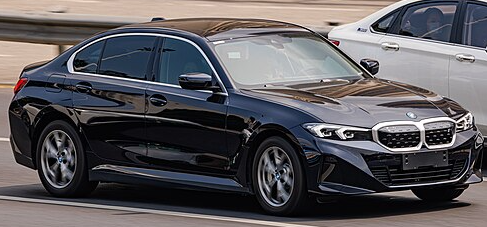
BMW’s commitment to sporty, driver-focused vehicles emerged with the New Class sedans in the 1960s. This innovation laid the foundation for iconic lines such as the 3 Series, 5 Series, 6 Series, and 7 Series, as well as high-performance BMW M models like the M1, M3, and M5. BMW expanded into SUVs with the X Series, and embraced hybrid and electric technology with models like the BMW i3 and ActiveHybrid 7.
Global Presence
BMW produces vehicles not only in Germany but also in the United States, China, India, Mexico, Brazil, South Africa, and the UK, reflecting its global footprint. The company’s brands now include BMW, Mini, Rolls-Royce, and BMW Motorrad, each representing a unique segment of performance, luxury, and innovation.
Technological Leadership
BMW has consistently embraced cutting-edge technology, from turbocharging engines in the 1970s to modern hybrid and electric vehicles. In 2025, BMW partnered with Qualcomm to develop an automated driving system, set to debut on the BMW iX3, showcasing the company’s ongoing commitment to autonomous mobility and sustainable innovation.
A Legacy of Performance and Design
BMW’s story is one of resilience, vision, and engineering excellence. From its early aircraft engines to luxury sedans, sports cars, and electric vehicles, BMW continues to push boundaries, offering drivers performance, precision, and luxury while maintaining a strong focus on innovation and sustainability.
Conclusion
With over a century of experience, BMW has become a global benchmark in automotive excellence. Its brand story reflects a commitment to quality, design, and technological leadership, ensuring that every BMW vehicle embodies the spirit of its legendary Bavarian roots.